

This handbook is based on the experiences of neurodivergent individuals that we have collected in our ongoing NeuroPRISM study. The data has been gathered from individual and group coaching sessions, in-depth interviews, and open-ended questionnaires, with more than 400 participants so far. These experiences helped us identify what matters most to neurodivergent people in working life, and the handbook is built on these insights.
Neurodiversity refers to natural variation in how human brains function. Differences in attention, sensory processing, executive functioning, learning, communication, and social interaction are not deficits to be fixed, but part of human diversity. Research and lived experience consistently show that many neurodivergent people do not struggle because of their abilities, but because modern working life is designed around narrow norms of how people are expected to think, communicate, and perform.
Neuroinclusion in working life is often discussed through adjustments, accommodations, tools, and special arrangements. These are important, but they are not where neuroinclusion begins — and they are rarely what neurodivergent people describe as the most decisive factor for their well-being or performance.
Neuroinclusion is not about special treatment or lowering standards. It links to designing work, leadership, and everyday practices in ways that reduce unnecessary friction, cognitive overload, and exclusion. This allows the individual’s strengths to come into use.
See checklist for self-assesment of neuroinclusivity.
See first steps for moving toward neuroinclusivity.
What Neuroinclusion Is — and Is Not
Neurodiversity refers to natural variation in how human brains function. Differences in attention, sensory processing, executive functioning, learning, communication, and emotional regulation are part of normal human diversity. These differences are largely genetic and cannot be changed through willpower, training, or discipline.
Neuroinclusion is:
✅recognising neurological differences as legitimate
✅interpreting behaviour through understanding rather than judgement
✅designing work and leadership for human variation
✅allowing people to contribute without constant self-correction
Neuroinclusion is not:
❌lowering standards or expectations
❌excusing harmful behaviour
❌treating neurodivergent people as fragile
❌removing accountability or responsibility

Neuroinclusion = Acceptance
Neurodivergent professionals often describe their working life as a continuous effort to appear “normal enough”. They might monitor their tone of voice, speed of work, emotional expression, body language, mistakes, and energy levels. This constant self-monitoring is often invisible to others, but for the individual costly in terms of additional cognitive and emotional load.
Acceptance means that a person does not need to:
🌿constantly explain themselves
🌿justify why something is hard
🌿apologise for being who they are
🌿hide their strengths because they stand out from the norm
The Cost of Non-Acceptance
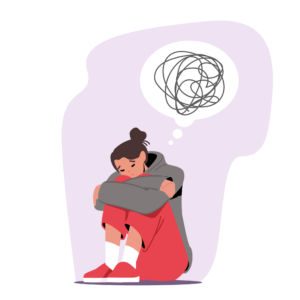
Neurodivergent employees may experience the following:
⚠️ being seen as “too much”, e.g. too energetic, too intense, too talkative, too focused, “machine-like”
⚠️ being questioned when experiencing a flow and working very fast or not getting things started when procrastinating
⚠️ being praised for results but criticised for process because of an unusual way of working
⚠️ being perceived as unreliable because missed routines
⚠️ being perceived as socially unsuited because social rhythms differ from the norm
These experiences create a paradox: a person may be valued for their output, yet not fully accepted as they are. Over time, this can erode confidence, belonging, and well-being. Many neurodivergent individuals do describe repeated cycles of exhaustion, self-doubt, and burnout. Not necessarily because they lack ability, but because of constant attempts to adapt to the environments with neurotypical norms.
Acceptance ≠ Agreement
Acceptance does not mean agreeing with everything a person does. It means separating behaviour from worth. In neuroinclusive working life:
💛 behaviour is addressed without shaming
💛 feedback is given without questioning competence
💛 difficulties are approached as shared problems, not personal flaws
These distinctions are important. Because when acceptance is missing, feedback feels like rejection. When acceptance is present, feedback becomes usable.

Acceptance at Organisational Level
At the organisational level, acceptance is not a statement, but can rather be described as a pattern. Acceptance becomes visible in what is rewarded, what is tolerated, and what is quietly discouraged.
An accepting organisation understands that:
🤝 neurodivergent people are already present — some may disclose, some may not
🤝 disclosure is risky without psychological safety
🤝 performance problems often signal a misfit, not an inability
🤝 neurodiversity is discussed without medicalising it
🤝 invisible differences are acknowledged, not only visible ones
🤝 strengths are recognised even when they do not fit narrow role definitions
Many organisations focus on inclusion policies but yet overlook everyday norms that are usually invisible but mutually understood. That does not mean they are right and ethical, but usually they become commonly expected conduct. Acceptance lives in those norms and expectations.
From Deficit Thinking to Cognitive Variation
Traditional approaches to neurodiversity have focused on individuals’ deficits: attention problems, social difficulties, poor time management and emotional intensity. These descriptions are not wrong, but they are incomplete. The same traits that cause difficulty in one context often create value in another. Research consistently highlights strengths like:
💎 rapid ideation and creativity
💎 strong pattern recognition
💎 deep focus and perseverance
💎 high empathy and emotional sensitivity
💎 effective action under pressure
💎 strong sense of justice
See more about strengths here.

Acceptance in Work Communities and Teams
Neuroinclusion is rarely decided by formal policies alone. It is built (or broken) in teams. Neurodivergent employees often describe that what affects them most is not workload, but how their distinct characteristics are being interpreted.
In accepting teams:
🤝 difference is not immediately problematised, but utilized
🤝 assumptions are replaced with questions
🤝 humour is inclusive, not dismissive
🤝 individual differences in speed and intensity are allowed
It is good to understand that acceptance does not actually require deep knowledge of diagnoses. It requires a willingness to let go of one narrow idea of how a “good employee” behaves.
It is good to remember that acceptance happens in small moments. Teams often underestimate how much everyday interaction matters.
Take into consideration that:
⛈️ small comments accumulate
⛈️ jokes can exclude even when unintentional
⛈️ silence can feel like rejection
⛈️ constant correction wears people down
You do not need deep knowledge of neurodiversity to practice acceptance. You need willingness to let go of one narrow idea of what a “good colleague” looks like. Acceptance in teams shows up when differences are met with curiosity and appreciation even when they feel akward and odd.

The Role of Managers: Acceptance Made Visible
In neuroinclusive environments, managers understand that they play a decisive role in how inclusivity manifests within a team or in an organisation. That “one accepting manager” might change everything, even when the organisation as a whole is not inclusive.
Acceptance in leadership shows up as:
🤝 calm presence instead of irritation
🤝 curiosity instead of correction
🤝 taking the employee seriously when they address their issues or disclose a diagnosis
🤝 recognizing competences and strengths
🤝 staying with one in difficult moments
Beware of micro-corrections. Repeated small corrections (tone, posture, speed, wording, facial expressions) may seem harmless. For the person receiving them, they signal one thing: You are constantly doing something wrong.
Be mindful of how often feedback focuses on style rather than substance. Ask yourself: Does this actually matter for the outcome? Or am I correcting difference because it feels unfamiliar?
When someone struggles, it is tempting to assume lack of motivation or commitment. Often, what looks like resistance is actually overload. Before doing that, consider whether the task is unclear, is the starting point too vague, is the environment overwhelming? Or i it so that the person stuck, but not unwilling?
Remember that just one accepting manager may change everything, even in an otherwise difficult organisation.
Acceptance in leadership looks like:
🌱 presence instead of withdrawal
🌱 questions instead of silence
🌱 calm instead of impatience
🌱clarity instead of ambiguity
It often sounds like:
I believe you’re capable.
Let’s figure this out together.
This doesn’t change how I see your competence.
These messages do not require grand gestures. Rather, they require consistency.
Why Adjustments Follow Acceptance and Not the Other Way Around
Adjustments within workplaces (such as a separate work room) and accommodations in work tasks (such as flexible working times) do matter, but without acceptance they remain fragile. In these situations, the experience may be that support is offered reluctantly and feels uncomfortable or costly; accommodations are perceived as conditional on “good behaviour,” with the expectation that one change should fix everything; and help can be withdrawn at any time.
In such environments, even small adjustments may feel unsafe and can discourage disclosure or asking for help. When acceptance is present, adjustments become a natural extension of good work design rather than exceptions.
Acceptance Does Not Require Disclosure
Neuroinclusive working life does not depend on people disclosing diagnoses. Many never do, for good reasons. Acceptance creates conditions where disclosure becomes unnecessary. When difference is allowed without explanation, people can simply work. Read more about disclosure.
Beware of Masking
One of the most consistent themes in lived experience of neurodivergent individuals is masking: the effort to hide or suppress neurodevelopmental traits in order to fit in. Masking is exhausting. Long-term masking is strongly associated with burnout, anxiety, and depression. Acceptance reduces the need for masking, and frees energy for actual work.
Masking includes:
🎭 forcing eye contact
🎭 suppressing movement or enthusiasm
🎭 over-preparing to avoid mistakes
🎭 copying others’ communication styles
Beware of Conditional Acceptance
Conditional acceptance sounds like this:
You can be different, as long as it doesn’t cause problems
You’re great, but could you tone it down?
We value diversity, but this is how things are done here
This kind of acceptance is fragile. It forces people to constantly self-censor, self-correct, and mask. Over time, this leads to exhaustion — not because of the work itself, but because of the effort required to fit in.
Why Acceptance Benefits Everyone
Acceptance is often framed as something done for neurodivergent people. In reality, it benefits everyone. Clearer communication, less judgement, more flexibility in how competence is demonstrated, these reduce friction for all employees. Neuroinclusion reveals how narrow many “normal” expectations are.
Acceptance as a Choice
Neuroinclusion is shaped through everyday choices. It shows in how we interpret behaviour and respond to difference: with curiosity and helpfulness, or with frustration, othering, and evaluation behind people’s backs. It is reflected in how a work community talks about difficulty: with empathy and a focus on solutions, or through demands and implicit judgement. Most clearly, it appears in how people are treated when they struggle: whether support is offered, or whether there is an attempt to prove they cannot do their jobs.
When people feel accepted, they no longer need to fight the system to succeed. They can use their energy to contribute, create, and grow.

Where to Begin: Change your Question
Instead of asking:
“What is wrong with this person?”
Neuroinclusive working life asks:
“What is happening here — and how can we make this work?”
This shift sounds small, but its effects may be great for the individual.
Read next: First steps in moving toward a neuro-inclusive workplace
Read next: Tips for building neurodiversity awarness
See checklist for self-assesment of neuroinclusivity.
See video about Autism spectrum as a competitive advantage (in Finnish)